







Introduction
The Advanced Institute of Science ais japan is a global leader in innovation and research. The Advanced Institute of Science ais japan is a global leader in research. Founded to develop the likes of biology, technology and engineering AIS is an expert in biological imaging, AI robotics and renewable energy. While working with international organizations, AIS creates an environment for practical solutions to occur. The multidisciplinary team supports innovation with an integrated perspective. Partnering with institutions from around the world, ais japan specialises in trying to find practical answers to real-world problems. Multi-discipline team that creativity and new thinking emerged from collaboration.

AIS nurtures young talent through scholarships, training workshops and state-of-the-art facilities to help the next generation of scientists to make new discoveries. ais japan hopes to contribute to a better society by tackling global challenges and collaborating with the industries for sustainable solutions. For scheduling international conferences, it is a hub of development and is now a symbol of Japan’s high technology.
A Hub of Technological Advancement
Ais Japan, on its side, sets itself apart with technological development. Corporate also places importance on substantial investment in research and development which brings about changes to all our lives, including robotics, AI and the Internet of Things (IoT).
Artificial Intelligence
Japan’s Artificial Intelligence advances are remarkable. Their AI researchers have developed state-of-the-art algorithms which are behind a wide range of systems. From driverless cars to smart home devices that make our lives more convenient and minimize inefficiency, risk to safety and environmental sustainability.
Robotics ais japan
Ais japan has made significant advancements in robotics by designing machines capable of performing complicated tasks precisely and dependably. From manufacturing, healthcare, and domestic help applications to domestic help services, ais japan robots have been created to increase efficiency and quality of life.
Internet of Things (IoT)
AIS Japan’s IoT solutions are leading the way towards building a more connected society. By seamlessly integrating gadgets and platforms, they not only ensure an effortless experience but also enhance efficiency. As a result, everyday tasks become simpler and easier to manage. From smart cities to agriculture farms, AIS’ Japanese IoT technologies are transformative with unlimited potential applications.
A Family of Innovations
At ais japan, innovation goes beyond technology – it’s about shaping society around it! Their approach encourages participation in this technological age for everyone involved. Whether company owners adopting advanced tech or tech enthusiasts staying updated on industry progress. AIS Japan makes sure there is something suitable for all.
Engaging with the Community
Join the Communityais japan is actively involved in tech communities through webcasts, workshops, and collaborations that empower and connect enthusiasts whilst disseminating knowledge. Such programs foster the tech enthusiast community.
Educational Out reach
AI’s japan knows it is essential to cultivate tomorrow’s innovators, and invest in educational programs to inspire young minds to their future potential in technology. In collaboration with the higher-education system and schools, they offer support and resources to young technologists of the future.
Why does AI matter in Japan?
Japan’s changing demographics are driving AI adoption. With an aging and decreasing population, AI offers solutions that increase productivity while improving quality of life – from hospitality to healthcare; AI is revolutionizing how Japan operates.
Healthcare Innovation
AI-powered robots have become an increasingly common feature of care facilities and hospitals across Japan, aiding patient care from grandparents to toddlers. These welcoming bots help ensure all patients, from grandparents to toddlers, receive the attention they need, providing peace and security to seniors while lightening medical staff workloads.
Retail and Customer Experience
Retail and Customer Experience Visit any bustling Japanese department shop or supermarket, and AI will enhance customer experiences. Customer service robots powered by AI greet customers with the welcoming “Irasshaimase!” (Welcome!) like greeting cards that offer instant assistance: the bots guide customers directly to snack aisles or recommend new foods like friends do – saving time and effort when shopping!
Transportation and Infrastructure
Japan’s trains have long been an icon of punctuality and safety, but AI makes every ride more secure and efficient. AI systems monitor weather conditions, maintenance needs, and operations throughout the rail network to provide seamless service- whetherommuter life or tourism on tour. Every ride with AI becomes a unique, seamless part of your daily experience.
Personal and Home Life
AI technology has begun making waves in Japanese households via appliances and smart assistants. From reminding children about soccer practice to suggesting recipes with all your favorite ingredients for dinner, AI has quickly become part of life at home in Japan.
AIS JAPAN – Japan Aeronautical Information Service Center
The Japan Aeronautical Information Service Center (AISC) offers vital information regarding aircraft navigation in Japan. The main characteristics that are part of AISC include:
- Aeronautical Information Publications (AIPs): These publications contain detailed information about air navigation with procedures, maps, and rules.
- Notes to Airmen (NOTAMs): AISC releases timely information on the temporary nature of changes to air navigation, for example, closed runways or airspaces.
- Aeronautical Charts This center creates numerous charts, including en route and approach charts, which aid pilots in navigation.
- Tool for Flight Planning: AISC offers resources to assist pilots in planning their flights safely and efficiently.
- Regulation Details: The center regularly updates aviation laws and regulations in Japan.
- Assistance and Training AISC provides training materials to ensure users can use its services efficiently.
These services are vital to maintaining safety and efficiency in Japan’s aviation space.
Challenges
Both significant advances and formidable obstacles mark Japan’s entry into artificial intelligence (AI). While Japan has made strides in AI adoption, some hurdles still restrict its potential.
Limited AI Adoption Among Businesses
Japanese firms appear wary of adopting AI into their operations. An analysis revealed that approximately 40% of businesses don’t plan to implement the technology, while 24% have already accepted and implemented it; another 35% may do so soon due to fears surrounding job loss and limited knowledge regarding AI’s costs and benefits.
Ethical and Legal Concerns of ais japan
The ethical implications of AI and intellectual property copyright are a continued concern. Japan’s copyright laws have been appealing to AI developers and alarming to creators worried there will be unauthorized use of their work as fodder for training AIs. This tension has highlighted the need to take a position that supports innovation and safeguards creators.
Infrastructure and Energy Demands
AI technologies are only possible to adopt when firm investment and high energy cost can be afforded. As the demands for AI data centers grow with respect power consumption, environmental impacts become a concern and are pushing existing energy infrastructures to their limits. To help mitigate these risks, investments in green energy options as well infrastructure improvements to enable the development of AI are both crucial.
Regulatory Framework and Governance
It’s important to regulate AI in a safe and ethical fashion. Japan has spearheaded global conversations in AI governance through efforts like the Hiroshima AI Process, but establishing regulations fast enough to keep up with tech advancements is hard.
Cultural and Workforce Adaptation
It will need changes in culture and reskilling programmes, including an upskilling element to introduce AI into the workforce. Fear of job loss and the need for upskilling may arise from this development; educational programs to address this are key steps toward managing such concerns. Litmus Although Japan will soon become an international leader in AI innovation, facing its unique challenges is essential to maximize its benefits.
Future of ais japan
Artificial Intelligence (AI) will be integral in shaping Japan’s next generation. A nation famed for technological innovation and progressive outlook, ais japan increasingly relies on AI technology to maintain economic growth as its population ages rapidly while a shrinking workforce and life quality declines.
Robotics and Automation
Japan is an established robotics pioneer, and AI is set to increase its efficiency further. AI-driven robots are currently being created to aid health care – specifically senior care, where an increasing demand exists. Robots can support, monitor health issues, and assist with daily tasks while relieving human caregivers of some burdens.
Manufacturing
Japanese manufacturers stand to gain considerably from AI technology in manufacturing. Automation systems powered by AI can increase the effectiveness and precision of production lines, decrease costs, and ensure increased security by taking over hazardous tasks – this will help Japanese firms remain competitive in a global marketplace.
Transportation
AI can make progress within Japan’s transportation industry as well. Autonomous cars are currently under development and evaluation. They are expected to revolutionize personal travel, delivery, and logistics services, potentially reducing traffic accidents while increasing efficiency.
Smart Cities
Japan is investigating the capabilities of Artificial Intelligence to build “smart cities.” Cities created with AI utilize AI for improved energy efficiency, traffic flow control, increased security of public places, and streamlining administrative procedures to make towns more responsive to citizen demands.
Conclusion ais japan
- Japan is renowned for its reliability, competitive vehicle pricing, and efficient shipping processes. Its experienced documentation and compliance teams ensure a seamless buying experience for international customers.
- AIS Japan stands out by blending cutting-edge technology with exceptional customer service. They are one of the leading Japanese used cars exporters.
FAQs
Question 1: central elements of Japan’s AIS infrastructure?
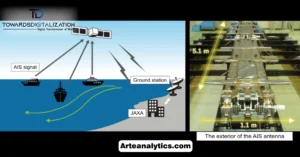
AIS is a location and vessel information reporting system, target positions are obtained by deduced from the data (in which geolocation of can be very accurate and this precision is presented automatically to users) transmitted by AIS-equipped vessels having high performance ternary “and” baseband communications links. AIS equipment typically uses a VHF radio transceiver connected to a GPS receiver and other electronic navigation sensors; it not only receives but also transmits identification, position, course, speed and navigational status information to appropriately equipped shore stations, other ships and – as appropriate – aircraft.
Question 2: What contribution does the AIS system make to safety of navigation in Japanese waters?
By now, AIS technology has become an integral part of lead maritime operations with regards to real-time speed and position tracking for ships, ultimately making navigation safer and faster. AIS contributes to the safety of the maritime environment, improves navigation efficiency and optimizes multiple areas of shipping operations.
Question 3: What are the AIS requirements for commercial vessels in service on Japan?
By regulation… • If the gross tonnage on a vessel is 500 or more, it is IF ANY VESSEL’s TOO BIG IT’s SHIPPIN’ – Not to be used for navigation television commercial The International Maritime Organization adopted regulations (IMO resolution A62(16)) that required all ships of 300 Gross Tons and above be fitted with Automatic Identification System (AIS) by In addition, there are no provisions in the U.
Q4: Technology Development/Effective Uses in Japan, What advancements in the technology of AIS are under development/introduction in Japan?
National Institution of Advanced Industrial Science and Technology (AIST) and REO have jointly carried out a revolutionary application for fresh/ salt water mixed rearing using the high-concentration nanobubble water.
Question 5 Question: In addition to enhancing maritime safety, AIS also facilitates the avoidance of collisions and contributes to search and rescue.
Data from AIS can be used to determine the vessel’s last known position, course over ground and speed over ground for a distressed report. Additionally, S-AIS solutions can see other ships within its search area that might assist rescue efforts.